Why Us
Nobody else builds the curriculum from your own top 20%.
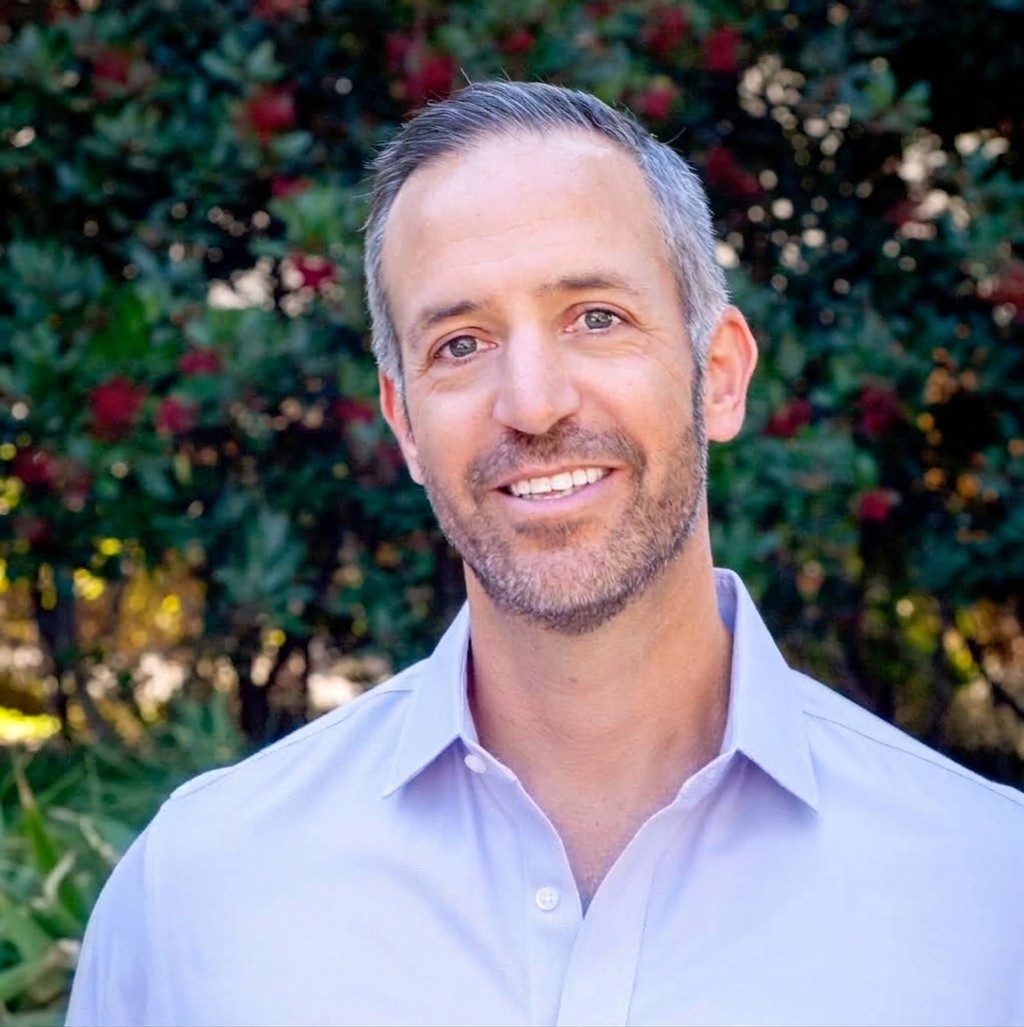
For 15 years I sat in your seat. CRO and VP of Sales. I've run this exact play about 10 times, and it's the only thing I do now.
#1
The curriculum is yours, not mine.
Every other firm sells its framework. I extract what your top 20% already do and coach the rest of the team up to it.
#2
I tell you who your real top performers are.
Not who hit quota this quarter. The Spot phase is talent identification, paired with the coaching, in one engagement.
#3
My credibility is behavior change, not a logo or a book.
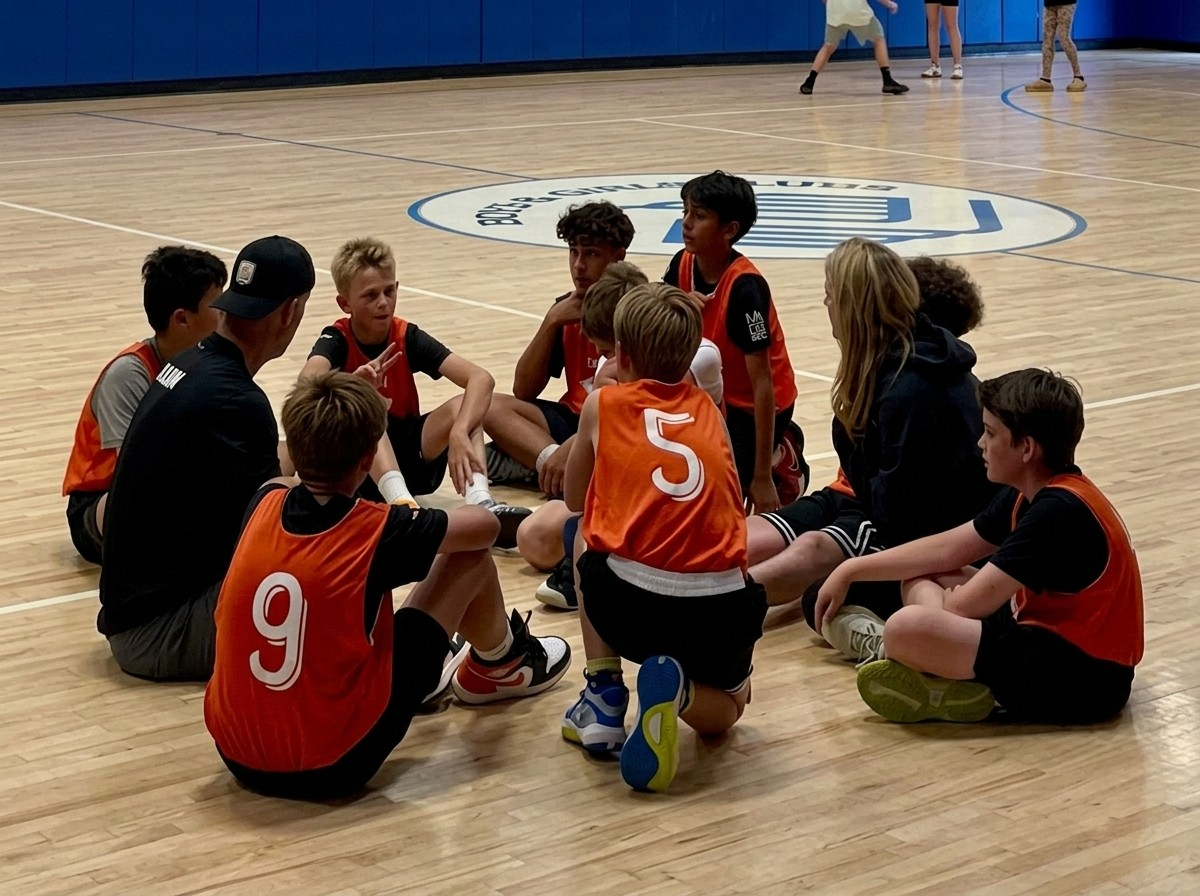
Championship basketball coaching and volunteer crisis counseling. Both are about changing behavior in people who resist it. It's the one thing AI can't do.
#4
Individualized, per rep.
Not one workshop for everyone.
#5
Skills compound. Playbooks expire.
A reinforced skill doesn't go stale when messaging or markets shift.
How I learned this.
As a CRO, the things that pulled me off coaching were the obvious ones. Territory carve-ups. Pricing approvals. Cross-functional meetings. And forecasting, which was the punchline: I got so good at it I knew to the dollar how much I was going to miss by.
Then one rep, headed for a PIP. Fifteen minutes, twice a week. A coaching program I'd built years earlier as a rep and pulled out of my Google Drive. He didn't just recover. He smashed his number. So I ran it across the whole team. By the end, the room was asking me one question: how did you do that?
I've now run that play about 10 times. It's the part I'm an expert at. It's why I stopped doing the other 24 things.
People buy from experts they trust, not from likable people.
My trust axis isn't a title. It's two domains where “just tell them what to do” fails completely: championship basketball coaching and volunteer crisis counseling. Both are about changing behavior in people who resist it.
The intake is a stress test, not a survey.
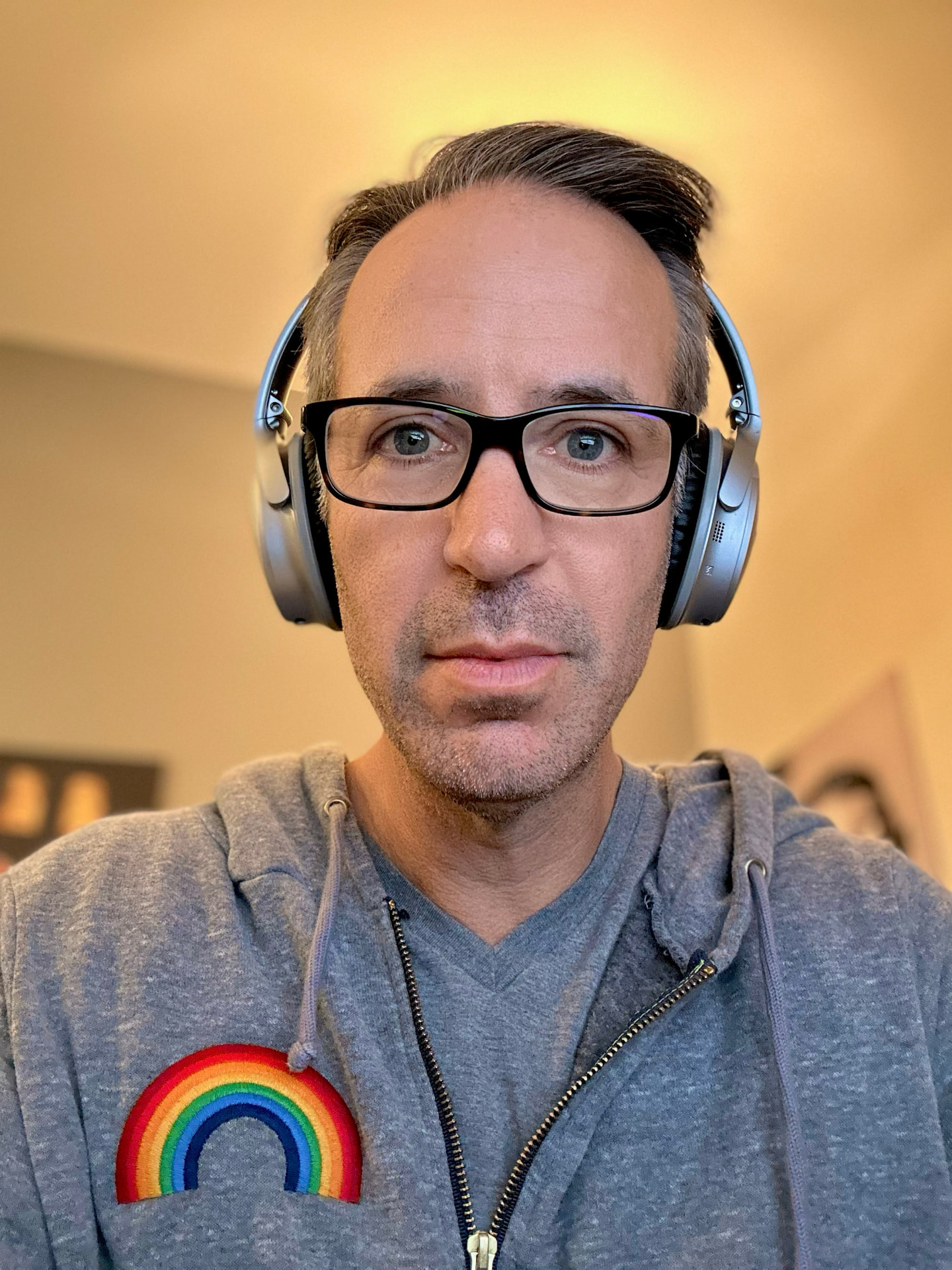
Inside an org, reps don't tell leadership what's actually broken. They're worried about how it lands. So leadership keeps solving the wrong problem. I'm trained to get the honest answer, and I lean into the conflict most orgs work around. No egos, just results.
Why not do this in-house?
A VP of Sales should be amplifying the coaching, not delivering it. One person can't do both.
- —Amateurs do it in-house. Pros bring in an expert. Every elite performer keeps an outside coach.
- —Your managers are experts at selling, or at running a team. Coaching to behavior change is a different discipline, and they were never trained in it.
- —The internal leader can't do it consistently. The CEO keeps pulling them onto the next fire.
- —Coaching your coaches is part of what I deliver. It makes your managers look good. It doesn't replace them.
Isn't this just Gong?
AI catches the pattern after the call. It can't build the trust that makes someone change how they sell. You've optimized every system except the people running them. Think of me as the human version of what made Gong valuable.
A coach is someone who can give correction without causing resentment.
Coaching is unlocking a person's potential to maximize their own performance.
Coaching is hard. Most people think they might be good at it. I'm great at it. That's the pitch. And you'll get more than you pay for.